
Asia tech rout widens: SoftBank sheds 12%, SK Hynix, Samsung plunge 8%
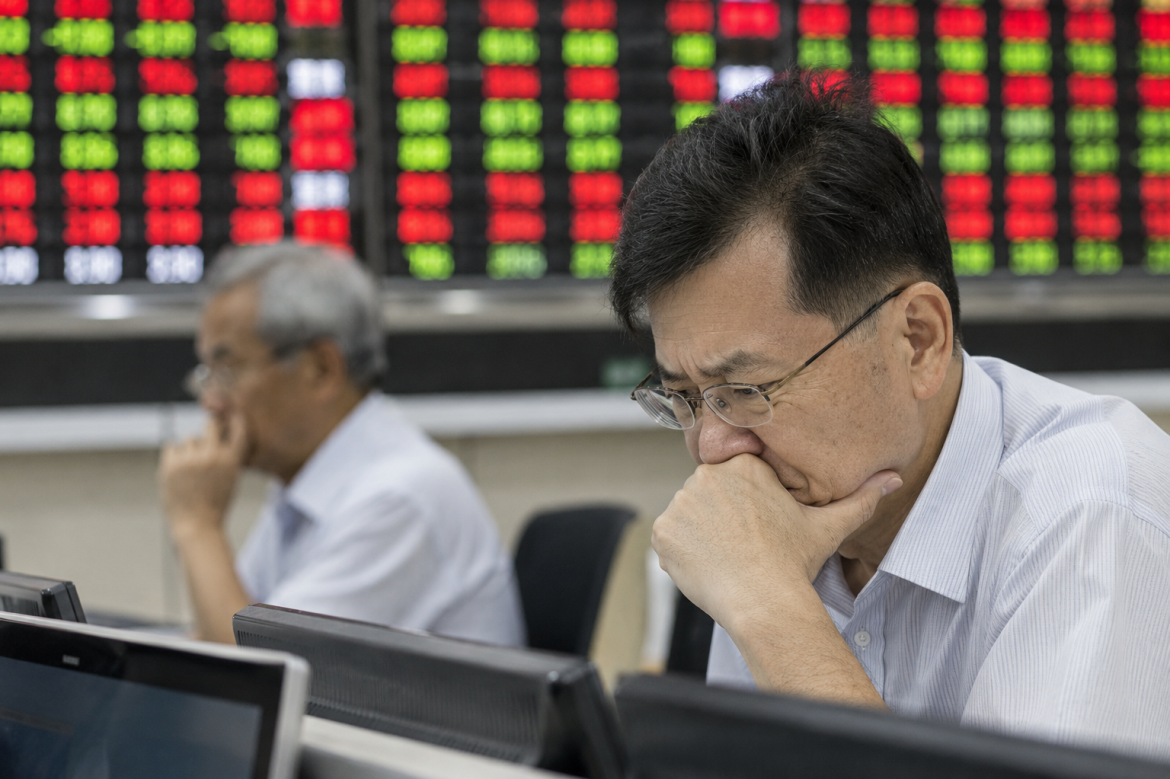
Asian technology stocks fell sharply on Friday, as SoftBank Group tumbled more than 12% and chip-heavy markets from Tokyo to Seoul came under fresh pressure.
The selloff followed a fourth straight decline on the Nasdaq, where Apple sank 6.1% after announcing price increases for iPads and MacBooks to offset surging memory and storage chip costs.
The move wiped about $250 billion from Apple’s market value and changed the tone around the AI trade.
Investors are asking whether AI infrastructure costs are starting to squeeze margins as much as they fuel growth.
SoftBank: A double hit from Arm and OpenAI
SoftBank was the clearest casualty in Asia’s latest tech pullback, sliding more than 12% in Tokyo as investors reassessed its exposure to the most crowded parts of the AI trade.
The fall reflected two pressure points. First, Arm Holdings, the chip-design company majority-owned by SoftBank, slipped 3.2% overnight in the US, underperforming several AI peers.
Second, OpenAI is now leaning toward delaying its IPO until 2027, according to a New York Times report.
That matters because SoftBank has become one of the market’s most direct public proxies for OpenAI’s private-market valuation.
Jay Ritter, a professor emeritus at the University of Florida’s Warrington College of Business, has described SoftBank as effectively offering investors a “leveraged bet on OpenAI’s future,” according to GlobalTimesNow.
There was some nuance as Qualcomm’s chip partnership with Meta could support Arm over time through licensing and royalty demand.
But Ortus Advisors’ Andrew Jackson has also warned that Qualcomm’s deeper push into custom CPUs creates a competitive question for Arm.
SK Hynix and Samsung: Memory chips catch the chill
The pressure spread quickly into South Korea, with SK Hynix plunging more than 8%, while Samsung Electronics lost nearly 9%.
SK Square, the holding company proxy with exposure to SK Hynix, dropped around 13%, showing how investors are cutting risk in more leveraged AI-linked plays.
The move was smaller than the dramatic selloff earlier this week, when Korean chipmakers suffered much steeper losses.
The message was clear: memory stocks are now being judged not just on demand, but on how that demand affects customers’ costs.
Apple’s price hikes gave investors a simple example.
If memory and storage prices keep rising, hardware makers may have to choose between absorbing the hit and passing it to consumers.
Reuters quoted Nigel Green, chief executive of deVere Group, as saying: “Micron tells us where the profits are. Apple tells us where the inflation is.”
Micron’s results showed memory suppliers can make extraordinary money in this cycle, while Apple’s move showed those profits are someone else’s cost.
Deutsche Bank analyst Peter Milliken recently wrote that markets had become “fixated on short-term momentum.”
The weakness also hit other Korean tech names, including LG Electronics and Seoul Semiconductor, as investors reduced exposure to the broader hardware supply chain.
The post Asia tech rout widens: SoftBank sheds 12%, SK Hynix, Samsung plunge 8% appeared first on Invezz